Richard, Duke of York: The Long Road to Wakefield

On 30 December 1460, Richard, Duke of York rode out from Sandal Castle towards a fate that would change the course of English history. By the end of the day he was dead, his cause seemingly shattered, and his head destined for display above Micklegate Bar in York.
Yet Wakefield wasn’t the story of a single battle, nor I believe, was it the result of one man's ambition. The road that led him there had been years in the making, shaped by family ties, political rivalries, and a kingdom slowly drifting towards conflict.
To understand Wakefield, we must first attempt to understand the man, and the inevitable journey that brought him to that final fateful winters day.
A Prince of the House of Plantagenet
Richard, Duke of York was born into one of the most powerful families in England. As a member of the Plantagenet dynasty, he belonged to a royal house that had ruled the kingdom for generations, and from an early age he stood among the highest ranks of English society. By the time he reached adulthood, Richard had inherited vast estates stretching across England and Wales. His wealth and influence made him one of the kingdom's greatest magnates, while his family connections placed him close to the centre of royal government. He was not an outsider seeking power, but a prince of the blood whose position carried both privilege and responsibility.
Like many nobles of his age, Richard's life revolved around service to the Crown. He spent time governing English possessions in France, managing his estates, and fulfilling the duties expected of a leading nobleman. For much of his early career there was little to suggest that he would one day become one of the central figures in a struggle that would divide the kingdom.
Yet the very qualities that made Richard valuable to the realm, his status, influence, wealth, and sense of duty, would eventually draw him into the growing political tensions of Henry VI's reign.
A Kingdom Under Strain
While Richard wrestled with England's deteriorating position in France and the mounting pressures of a costly and increasingly unpopular war, decisions were being made at court that would have lasting consequences.
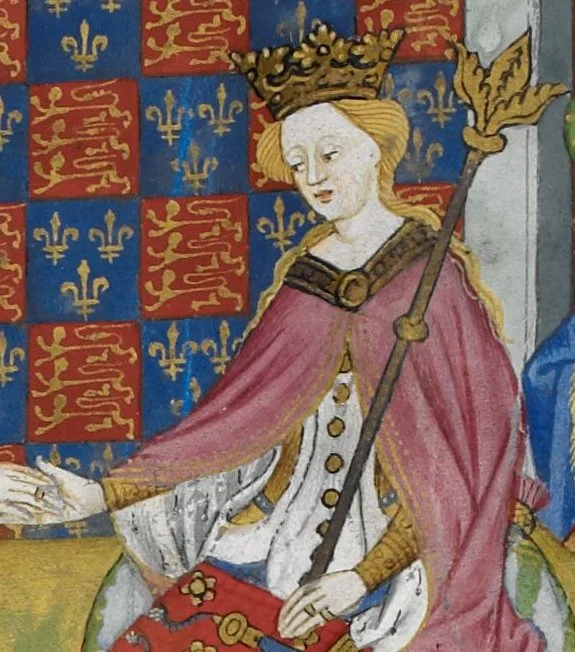
In 1445, King Henry VI married Margaret of Anjou, a union intended to bring peace between England and France. After decades of conflict, many hoped diplomacy might achieve what armies could not. Yet the marriage negotiations came at a price.
As part of the agreement, the territories of Maine and Anjou were to be surrendered to the French. The arrangement was kept secret, a reflection of how controversial those responsible expected it to be.
When news of the concession eventually emerged, many viewed it as a betrayal of the sacrifices made during decades of war. Lands won through years of campaigning appeared to have been given away without a fight.
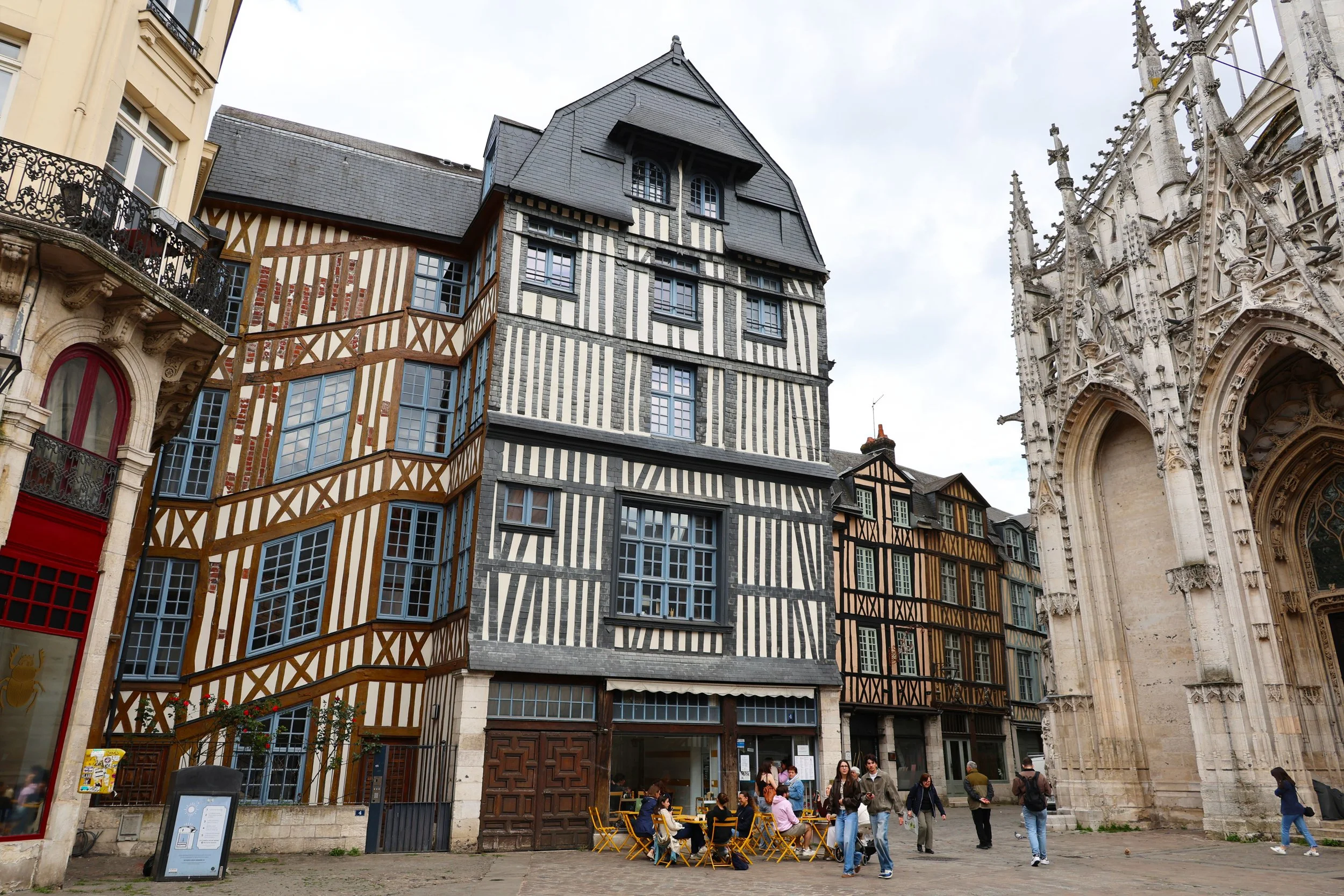
It is easy to imagine the concern this caused among those charged with defending England's possessions in France. While Richard had played no part in the negotiations, he remained one of the men expected to hold together England's increasingly fragile position on the continent. The task before him had become even harder as confidence in the government's policies began to falter.
Meanwhile, at court, influence was also shifting. Edmund Beaufort, Duke of Somerset, rose steadily in royal favour and became increasingly associated with the king's policies in France. While Richard struggled with the realities of defending English territory abroad, others appeared to enjoy the king's confidence from the relative safety of the court. The situation facing England was extraordinarily complex. Maintaining its position in France required money, manpower, and political unity, all of which were increasingly in short supply. Yet to many contemporaries, the kingdom appeared to be drifting without a clear sense of direction.
And once again, as I do, I cannot help but wonder what Richard's wife Cecily Neville made of these developments.
As the daughter of Ralph Neville, Earl of Westmorland, and Joan Beaufort, Cecily belonged to one of the most influential families in England. She understood the political landscape of the kingdom as well as most. While family life continued around her, she would have witnessed the shifting fortunes of powerful families and the uncertainty surrounding England's future. In April 1442, Cecily gave birth to their eldest surviving son, Edward, at Rouen. The child who would one day become King Edward IV entered the world at a time when his father's energies were focused on preserving England's continental possessions. We can only speculate about Cecily's private thoughts, but it is difficult to imagine she failed to recognise the significance of what was unfolding. The decisions being made in distant council chambers were beginning to affect not only the fate of the kingdom, but also the future of her own family.
Returning to a Different England
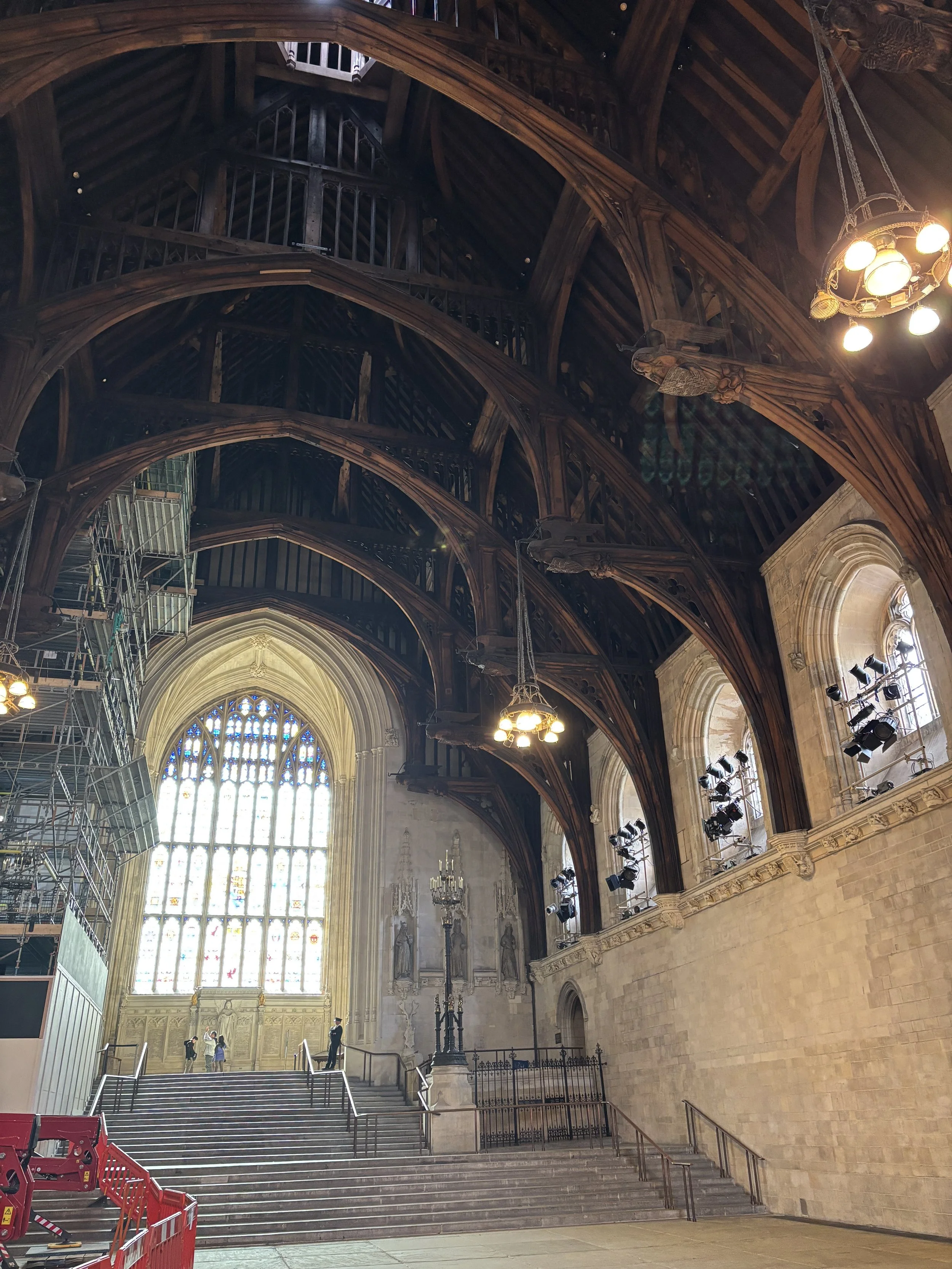
In 1447, after his time in France ended, Richard's career took another turn when he was appointed Lieutenant of Ireland.
The position was an important one and carried significant responsibilities, but it also placed him far from the political heart of the kingdom. The decisions shaping England's future were being made in Westminster and at court, while Richard found himself governing across the Irish Sea.
How he viewed the appointment is impossible to know.
Perhaps he regarded it simply as another duty to be performed in service to the Crown. Perhaps he welcomed the opportunity to apply the same diligence he had shown in France. Yet it is equally difficult to imagine that he failed to notice the changing political landscape around him. While Richard was sent to Ireland, the influence of Edmund Beaufort, Duke of Somerset, continued to grow at court.
Whether Richard viewed Ireland as a reward, a responsibility, or a convenient way of removing him from the centre of affairs, the appointment came at a moment when England was entering one of the most turbulent periods of Henry VI's reign.
By the time Richard returned in 1450, the kingdom he encountered was very different from the one he had left behind.
The losses in France had continued. Normandy, long regarded as the cornerstone of England's continental possessions, had been lost. Public confidence in the government had been badly shaken, while many of the king's advisers found themselves blamed for the kingdom's misfortunes. The mood was increasingly angry and uncertain. In Kent, resentment boiled over into the uprising known as Jack Cade's Rebellion. Although the rebellion was ultimately suppressed, its demands revealed widespread concerns about corruption, poor government, and the influence of unpopular royal advisers.
For Richard, the situation must have appeared deeply troubling. The problems he had witnessed developing during his years of service had not been resolved. Instead, they seemed to have multiplied. England's position abroad had deteriorated, unrest had erupted at home, and confidence in those guiding the kingdom was faltering.
Richard had returned to a different England, one that seemed increasingly uncertain of its future.
An Unwelcome Critic
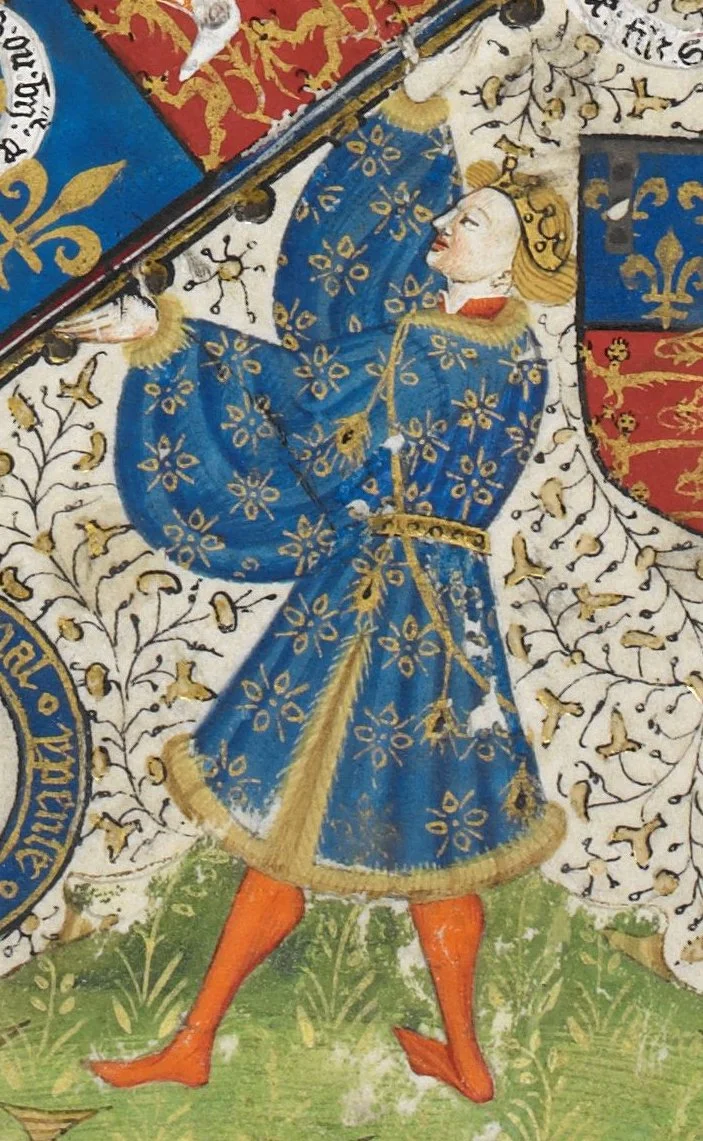
It is worth noting that Richard was not alone in his concerns, however, unlike many of his contemporaries, he possessed the status and influence to make those concerns heard.
The thing we must consider here is that Richard increasingly presented himself as a loyal servant of the Crown who believed the kingdom was being poorly governed. His criticism was directed not at Henry himself, but at those he believed exercised undue influence over the king, chief among them Edmund Beaufort, Duke of Somerset.
As difficulties mounted, Richard began to attract support from those who believed change was needed. To his supporters, he appeared a voice of reform and accountability. To his opponents, he was becoming a dangerous source of instability.
The difficulty was that neither side viewed itself as the problem. Richard believed he was acting in the best interests of the kingdom. Somerset and his allies likely believed the same. In a realm already strained by military defeat and political uncertainty, disagreement was becoming increasingly difficult to separate from distrust.
By 1452, tensions had reached a point where words alone no longer seemed sufficient. Convinced that Somerset's influence posed a threat to good government, Richard raised support and marched south. The resulting confrontation at Dartford failed to achieve his aims. Lacking the wider backing he had hoped for, Richard was forced to submit to the king. For Richard, the outcome was a bitter disappointment. The concerns he voiced remained unresolved, while Somerset retained the king's favour.
Yet beneath the surface, little had truly been settled. The divisions within the political elite continued to widen, and the kingdom's underlying problems showed no sign of disappearing.
When the King Falls Silent
In the summer of 1453, the kingdom fell silent.
The arguments at court, the rivalries between great nobles, the growing frustrations over France, all suddenly became secondary to a single, terrifying reality. Henry VI could no longer govern.
In August 1453, following the devastating English defeat at Castillon, Henry VI suffered a sudden and severe mental collapse that left him totally unresponsive to the world around him and unable to govern the realm, and from which he showed no immediate sign of recovery.
In October 1453, Margaret of Anjou gave birth to a son, the long-awaited heir to the House of Lancaster. Under ordinary circumstances, the birth of a prince would have been a moment of celebration across the kingdom. Instead, it unfolded against a backdrop of uncertainty. Contemporary accounts suggest that Henry remained unresponsive and failed to even recognise his newborn son when he was presented to him.
If the king could not rule, who would?
The Kingdom in His Hands
For years, Richard, Duke of York had been one of the kingdom's most vocal critics. He had questioned the direction of government, challenged the influence of the king's advisers, and repeatedly expressed concern about England's decline both at home and abroad. Now, circumstances would place responsibility upon his own shoulders.
Who possessed the authority, experience, and standing to oversee England's affairs until the king recovered?
England was home to many powerful nobles, yet few could rival Richard's unique position within the realm. Through his father, Richard descended from Edmund of Langley, Duke of York, the fourth surviving son of Edward III. Through his mother, Anne Mortimer, he inherited a lineage that traced back to Lionel of Antwerp, Edward III's second surviving son. His marriage to Cecily Neville further connected him to one of the most influential families in England, while her Beaufort ancestry linked their household to John of Gaunt, Edward III's third surviving son, the same royal lineage from which Henry VI himself descended.
In ordinary circumstances, such family connections were little more than background to the daily business of government.
Yet these were not ordinary circumstances.
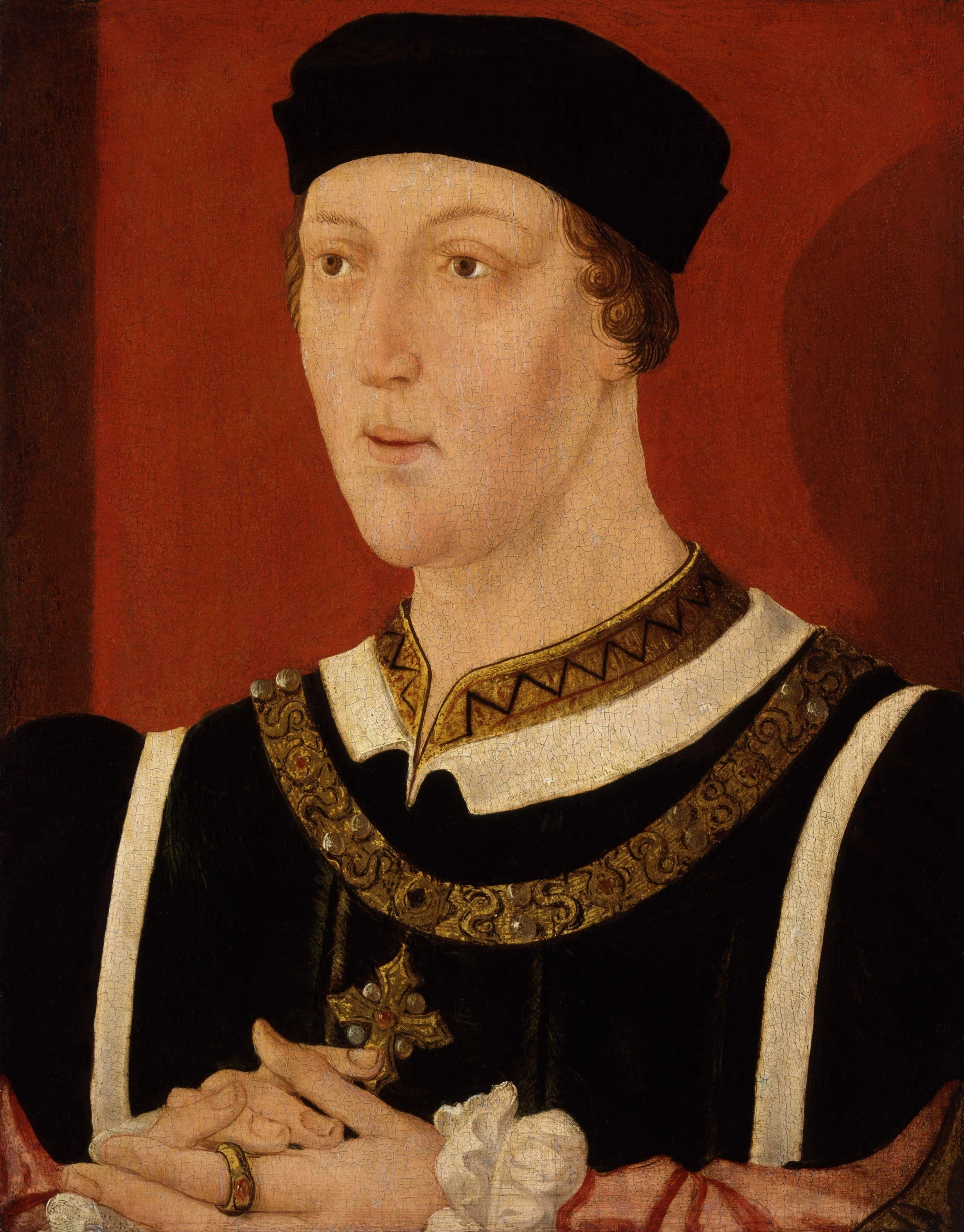
The kingdom's monarch was incapable of ruling, and attention naturally turned towards those most closely connected to the royal house itself.
Richard's appointment as Protector of the Realm in March 1454 was therefore about far more than political support or personal ambition. He was one of the wealthiest men in England, an experienced administrator who had governed in both France and Ireland, and a senior prince of royal blood. For Richard, the appointment represented both an opportunity and an enormous burden. The kingdom remained politically divided, England's possessions in France had largely been lost, and uncertainty surrounded every aspect of government.
One of Richard's first acts was to remove Edmund Beaufort, Duke of Somerset, from the centre of power. Somerset was arrested and confined to the Tower of London, a decision that undoubtedly pleased many of Richard's supporters. To York, Somerset represented many of the failures that had brought England to its present difficulties. To Somerset's allies, however, the move may have appeared less like reform and more like political revenge.
The reality, as so often in history, was likely somewhere in between.
Despite the tensions surrounding Somerset, Richard's period as Protector appears to have been largely effective. Government continued to function, administration was maintained, and for a time the kingdom experienced a degree of stability that had been absent in previous years.
Yet beneath the surface, larger questions remained unresolved.
Margaret of Anjou watched events unfold from the sidelines, her infant son now recognised as the heir to the throne. While Richard governed in the king's name, the queen could hardly have been comfortable seeing so much authority placed in the hands of a man who had spent years criticising the direction of government. The tensions that had divided the court before Henry's collapse had not disappeared. They had merely been suspended.
Then, in late 1454, everything changed once again.
After more than a year of incapacity, Henry VI began to recover. As the king resumed his duties, the extraordinary circumstances that had elevated Richard to the centre of government came to an end. The Protectorate was dissolved, Somerset was released, and many of the political divisions that had been temporarily set aside quickly resurfaced. For Richard, it must have been a frustrating reversal. Having finally been given the opportunity to govern, he now found himself watching many of the same individuals return to positions of influence.
The kingdom had survived the king's silence, but it had not found peace.
The Return of Old Rivalries
Henry VI's recovery brought an end to the immediate crisis, but it did little to heal the divisions that had emerged during his illness. With Somerset restored to favour and Richard stripped of the authority he had exercised as Protector, old tensions quickly resurfaced. The disagreements that had been temporarily suspended had never truly disappeared. They had merely been waiting beneath the surface.
Margaret of Anjou also emerged as an increasingly important figure in the political landscape. With her husband restored and her young son recognised as heir to the throne, she had every reason to protect the interests of her family. Richard, meanwhile, remained convinced that many of the kingdom's underlying problems had not been addressed. Very quickly, suspicion deepened, alliances hardened, and trust became increasingly difficult to find.
Inevitably, before long, disagreement would give way to something far more dangerous.
St Albans
By the spring of 1455, the tensions that had briefly subsided during Henry VI's illness had returned with renewed force.
In May, events came to a head. As Henry VI travelled north accompanied by Somerset and other leading nobles, Richard, together with his allies Richard Neville, Earl of Salisbury, and Salisbury's son, Richard Neville, Earl of Warwick, moved to intercept the royal party at the market town of St Albans.
What followed would change the course of English history.
The exact details remain the subject of debate, but the outcome was unmistakable. Fighting erupted in the streets of the town as Yorkist forces attempted to gain access to the king. The confrontation was brief, lasting little more than an hour, yet its consequences were profound. Among those killed was Edmund Beaufort, Duke of Somerset. For years, Somerset had stood at the centre of Richard's concerns about the direction of government. Now he was dead, cut down during the fighting that neither side had been able to avoid.
Henry VI himself was wounded and subsequently found himself in Yorkist custody.
In military terms, St Albans was a relatively small engagement. In political terms, it marked a turning point. Until this moment, England's disputes had largely been fought through councils, parliaments, petitions, and political manoeuvring. St Albans demonstrated that those disagreements could now be settled by force. The men who fought that day were not foreign enemies. Many were bound together through family connections, shared service, and years of acquaintance. Yet the trust that had once allowed political differences to be managed had broken down. Richard emerged from St Albans in a stronger position than before, but the victory came at a cost. Blood had been shed, old grievances had deepened, and reconciliation would become far more difficult in the years ahead.
The streets of St Albans had witnessed many events over the centuries, but on that day in May 1455 they became the setting for something new. Political disagreement had given way to violence, and the consequences would echo far beyond the town's narrow streets.
The road to Wakefield had taken a decisive turn.
The Illusion of Peace
If Richard hoped that St Albans would resolve the kingdom's troubles, he was soon disappointed.
In the years that followed, attempts were made to restore harmony between the rival factions. The most famous of these came in 1458 with the ceremony known as Loveday, when leading nobles publicly demonstrated their commitment to reconciliation. For a brief moment, it appeared that the wounds of St Albans might begin to heal.
The appearance proved deceptive.
Tensions continued to simmer beneath the surface, particularly between Margaret of Anjou and the Duke of York. By 1459, those tensions erupted once again. The confrontation at Ludford Bridge ended in disaster for Richard and his allies. Faced with royal forces and abandoned by many of their supporters reluctant to march against the king’s banner, the Yorkist position collapsed. Richard fled to Ireland, while Warwick escaped to Calais.
For the second time in his career, Richard found himself removed from the centre of English politics. Yet unlike his earlier appointment to Ireland, this was not a royal posting. It was exile.
Exile and Return
In the aftermath of Ludford Bridge, Richard's enemies appeared to have achieved what years of political manoeuvring had failed to accomplish.
The Duke of York was gone, and Parliament swiftly moved against the Yorkist leaders, condemning them as traitors and stripping them of their lands and titles. For many observers, the struggle seemed over.
Yet appearances can be deceptive.
From their respective bases in Ireland and Calais, Richard and his allies were not sitting wallowing. Far from accepting defeat, they began planning their return. In June 1460, Warwick crossed the Channel and landed in Kent. Support quickly gathered around the Yorkist cause, and within weeks the balance of power had shifted dramatically. London opened its gates, while many who had once hesitated now rallied to the returning Yorkists. The decisive moment came at the Battle of Northampton in July 1460 when once again, Henry VI fell into Yorkist hands. Once again, Richard's opponents found themselves on the defensive. The remarkable reversal transformed a cause that had appeared defeated only months earlier into the dominant political force in the kingdom.
By the time Richard returned to England later that year, he did so not as a fugitive, but as a man whose fortunes had been dramatically restored. Yet the events that followed would prove even more consequential than his return itself. For years, Richard had presented himself as a loyal servant of the Crown, a man concerned with the governance of the kingdom rather than the throne itself. Now, circumstances were about to place him in a position unlike any he had previously occupied.
The road to Wakefield was entering its final and most dangerous stage.

The Act of Accord
In October 1460, Richard entered Parliament and, according to several contemporary accounts, laid claim to the throne through his descent from Edward III. The response was far from enthusiastic. Many of those present were prepared to support reform. Many were willing to limit the influence of the king's advisers. Few, however, were eager to remove an anointed king who still lived. What eventually emerged was a compromise.
Known as the Act of Accord, the agreement allowed Henry VI to remain king for the rest of his life, but recognised Richard and his heirs as successors to the throne. In doing so, it effectively disinherited Henry's young son, Edward of Westminster.
The settlement represented a remarkable shift in Richard's fortunes. Only a year earlier he had been a fugitive in Ireland. Now Parliament had recognised him as the future of the English monarchy. Yet if the Act of Accord was intended to bring stability, it achieved the opposite. And no one was more affected than Margaret of Anjou. For years she had fought to protect her husband's authority and her son's inheritance. Now Parliament had set that inheritance aside. Whatever hopes remained for reconciliation between the rival factions totally disappeared with this one act.
While Richard and his supporters may have viewed the settlement as a path towards peace, Margaret and her allies saw something very different. To them, the agreement threatened the future of the House of Lancaster itself. In the north of England, support for the Lancastrian cause began to gather. Men who opposed the Act of Accord rallied around the queen and her son, determined to resist a settlement they considered unacceptable.
The kingdom had spent years searching for a solution to its political crisis, instead, it now found itself facing an even more dangerous question.
How far would each side go to secure the future it believed was rightfully its own?
Gathering in the North
By December 1460, Richard faced a difficult choice. Reports from the north suggested that opposition to the Act of Accord was growing, while support for the Lancastrian cause continued to gather. Whatever course he chose, ignoring the situation was unlikely to be an option, so he decided to act. Leaving London, he travelled north accompanied by his second son Edmund, Earl of Rutland, and a number of trusted supporters, including Richard Neville, Earl of Salisbury.
Their destination was Sandal Castle, near Wakefield.
Why Richard chose this course remains one of the most debated questions surrounding the events of 1460. Some historians believe he expected reinforcements. Others suggest he underestimated the strength of the Lancastrian forces assembling against him. It is also possible that, having spent years fighting to shape the future of the kingdom, he felt compelled to confront the growing challenge directly. Whatever his reasoning, it was a decision that carried enormous risks.
The position Richard occupied at the end of 1460 was arguably stronger than at any previous point in his career. Parliament had recognised him as Henry VI's heir, and his political fortunes had been transformed. Yet within a matter of weeks he would place himself far from the centres of power that had helped secure those gains. As Christmas approached, Richard established himself at Sandal Castle, and the decisions made in the days ahead would determine not only his own future, but the future of England itself.
Wakefield
On 30 December 1460, Richard, Duke of York rode out from Sandal Castle and towards a fate that would ultimately define his legacy.
Why he chose to leave the safety of the castle remains one of the great mysteries of the Wars of the Roses. Some historians suggest he was attempting to secure supplies, while others believe he was responding to movements by the Lancastrian army or expecting reinforcements that never arrived. More than five centuries later, we are still left with questions rather than certainty.
What is very clear is that Richard found himself facing a much larger Lancastrian force than the one he had brought to Wakefield.
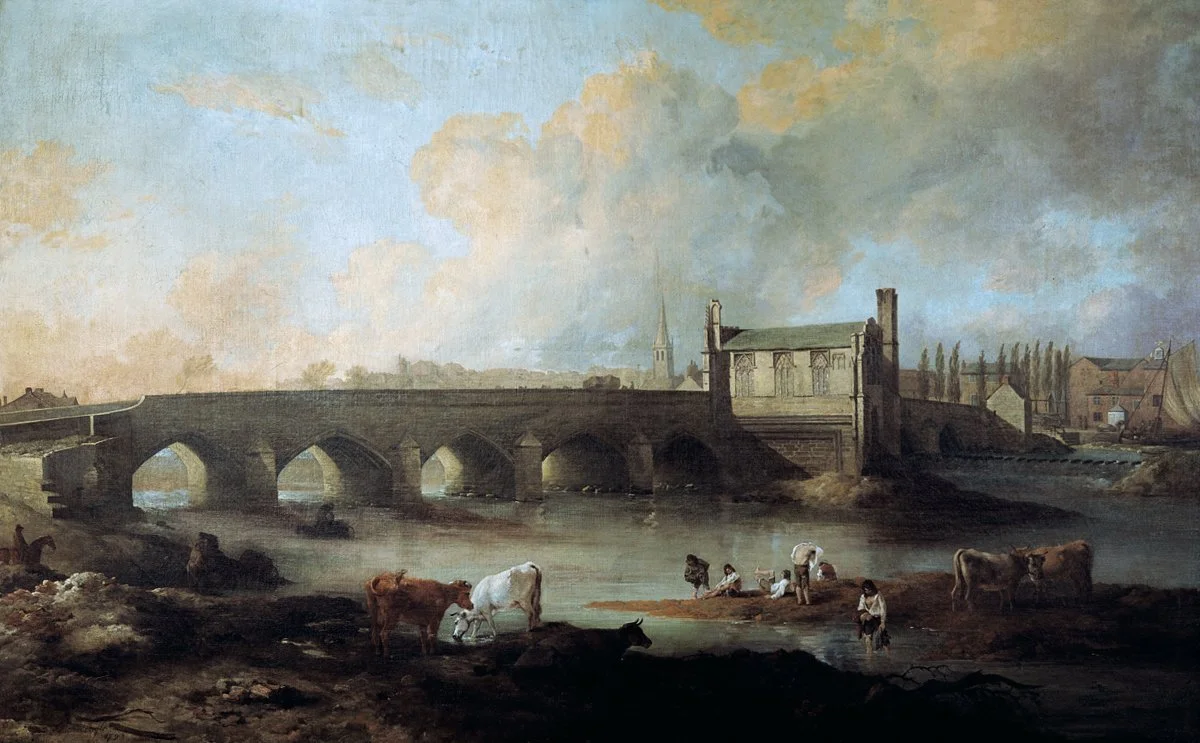
The battle that followed was brief and disastrous for the Yorkist cause. For years Richard had navigated political rivalries, military setbacks, periods of exile, and dramatic reversals of fortune. Time and again he had managed to recover from circumstances that might have ended the career of a lesser man. At Wakefield, however, his luck ran out, Richard was killed in the fighting. His 17-year-old son Edmund, Earl of Rutland, was killed while attempting to escape across Wakefield Bridge, while Richard Neville, Earl of Salisbury survived the battle only to be captured and executed shortly afterwards. The consequences were devastating. For more than a decade Richard had been one of the most prominent figures in English politics. He had governed in France and Ireland, served as Protector of the Realm during Henry VI's illness, challenged powerful advisers, endured exile, and ultimately secured recognition as the king's heir through the Act of Accord. Now all of that appeared to have come to nothing.
The humiliation did not end with his death. Richard's head was displayed above Micklegate Bar in York, reportedly adorned with a paper crown in mockery of his ambitions. Whether intended as a warning, a celebration, or a symbol of Lancastrian victory, the message was unmistakable. To those living through the events of the winter of 1460, it may well have seemed that the struggle was over. The man who had stood at the centre of England's political turmoil for so many years was dead, his supporters scattered, and his enemies victorious.
Yet history rarely follows the path people expect.
Richard's story may have been over, the story of his family however, was not!
Beyond Wakefield
If you have read my writing before, you will know that I am often drawn to the historical figures who refuse to fit neatly into the boxes history has created for them. The further I dig, the more I find myself questioning the simple labels that are often attached to people whose lives were every bit as complicated as our own.
Richard, Duke of York is one of those figures. It is tempting to view him through the lens of what happened afterwards. Knowing that his son would become Edward IV and that the Wars of the Roses would continue for decades, it is easy to look back and see his journey as an inevitable march towards conflict. Yet, as I hope I have shown throughout this article, the road to Wakefield was rarely that straightforward.
Throughout his life, Richard repeatedly found himself responding to circumstances not entirely of his own making. He was sent to govern France as England's position there deteriorated, returned home to find a kingdom struggling with political unrest, stepped into government during Henry VI's incapacity, and endured exile when fortune turned against him. Time and again, events seemed to place new challenges in his path. At the same time, it cannot be said that he was merely a passive observer of history. He was an experienced statesman, a capable administrator, and without doubt a man of ambition. Few individuals rise to the position he did without believing they have an important role to play in shaping the future.
Perhaps that is why Richard continues to fascinate more than five centuries after his death. He certainly fascinates me.
Was he a loyal servant of the Crown who became caught in circumstances beyond his control? Was he an ambitious nobleman who gradually reached for greater power as opportunities presented themselves? Or was he, like most people, something far more complicated than either description allows? The answers remain elusive.
What we can say with certainty is that the man who rode out from Sandal Castle on 30 December 1460 was far more than the simplified figure that often emerges from the pages of history. He was a husband, a father, a soldier, a statesman, and a man shaped by both his own decisions and the turbulent world in which he lived.
His road ended at Wakefield, but the questions he leaves behind remain very much alive.
Interested in exploring Richard's story in person?
Many of the places connected to his journey, from Ludlow Castle and St Albans to Sandal Castle, Wakefield and Micklegate Bar, are included in our Wars of the Roses Tour. Walking these landscapes and standing where history unfolded offers a very different perspective from reading about them on the page, and brings a deeper appreciation of the people, decisions, and events that shaped this extraordinary chapter of English history.
Images: All Public Domain or © Plantagenet Discoveries