The Sunne in Splendour by Sharon Kay Penman
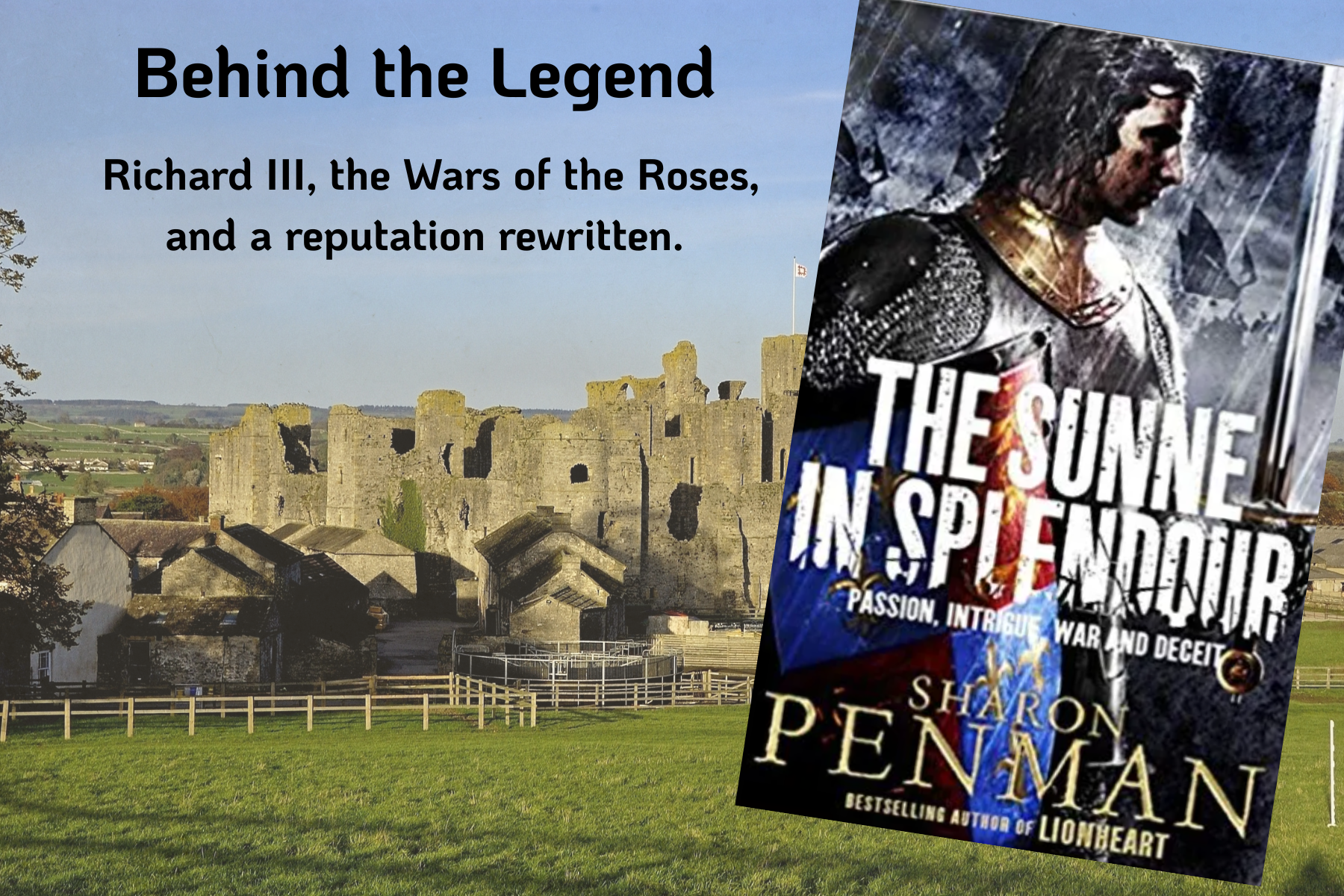
Wow, what can I say…
I am truly touched by the journey that “The Sunne in Splendour” by Sharon Kay Penman has taken me on. Years ago, it was my introduction to historical novels, and the reason behind my inescapable fall into the rabbit hole of Medieval history, particularly the fascinating era of the Plantagenets. Over the span of 22 years, my knowledge has grown enormously from that initial point of zero, and so I found myself returning to this treasured tale for a re-read.
I wondered whether reading it again after all those years would feel different, and I have to say it certainly did. I knew so much more about Richard, his family and the events unfolding around them than I had the first time, yet knowing what was coming somehow made the experience even more emotional.
From the beginning, I was completely drawn back into Richard's world. One scene that particularly affected me was seven-year-old Richard standing at the Market Cross with his mother and siblings during the sack of Ludlow in 1459. I know the history now. I know what happened to the Yorkist family and I understand far more about the events surrounding that little boy than I did on my first reading. Yet Sharon made me stop thinking about Richard as a historical figure for a moment and think about what those events might have felt like to a frightened seven-year-old child.
That is where this book worked so beautifully for me.
As Richard grew, I found myself becoming just as caught up in the people around him. Edward IV's coronation, Richard becoming Duke of Gloucester, the constantly changing loyalties and the relationships within this extraordinary family all felt so much richer now that I understood the history behind them.
And then there was Richard Neville, Earl of Warwick. Honestly, there were moments when I wanted to reach into the book, grab the Kingmaker by the shoulders and ask him, “What on earth are you thinking?” Knowing what his decisions would eventually mean didn't make watching them unfold any less frustrating.
But it was Richard's personal story that affected me most. His relationship with Anne, their marriage and the birth of their son Edward brought moments of genuine happiness into a story where I knew perfectly well how much heartbreak was still to come. Perhaps that knowledge was part of the problem. The final chapters, as the story moved inexorably towards the Battle of Bosworth, stirred in me a myriad of emotions. I knew exactly where Sharon was taking me and I simply didn't want to go.
In fact, I eventually stopped taking the book to work with me because I knew what was coming and there was every chance I was going to embarrass myself by sitting there crying over Richard III.
Bosworth was every bit as difficult to read as I expected. Of course, Sharon's Richard is her interpretation of the man, and this is a novel rather than a biography. But that is also one of the things historical fiction can do so well. It can make us curious enough to question what we think we know and go searching for the history behind the story.
That certainly happened to me.
When I first read “The Sunne in Splendour” more than twenty years ago, I knew virtually nothing about the Plantagenets. I certainly didn't know that this book would send me down a medieval rabbit hole from which I have never emerged. Reading it again with all the knowledge I have accumulated since then was an entirely different experience. I noticed more, questioned more and undoubtedly brought far more of myself to the story.
By the time I finished, I felt emotionally wrung out but strangely exhilarated, rather like returning home from an extraordinary journey and wishing you could turn around and do it all again.
There was another sadness attached to this re-read that hadn't been there the first time. Sharon Kay Penman passed away on 22 January 2021. I know how much she enjoyed interacting with her readers, and I am genuinely sorry that I never had the opportunity to tell her the impact that this particular book had on me, and where it would eventually take me.
Because without “The Sunne in Splendour”, I genuinely don't know whether I would have discovered this extraordinary period of history in quite the same way.
And considering where that fascination has me right now, running Plantagenet themed tours of France and the UK, I have an enormous amount to thank her for.
Thank you, Sharon.