Why We Choose Sides in History?
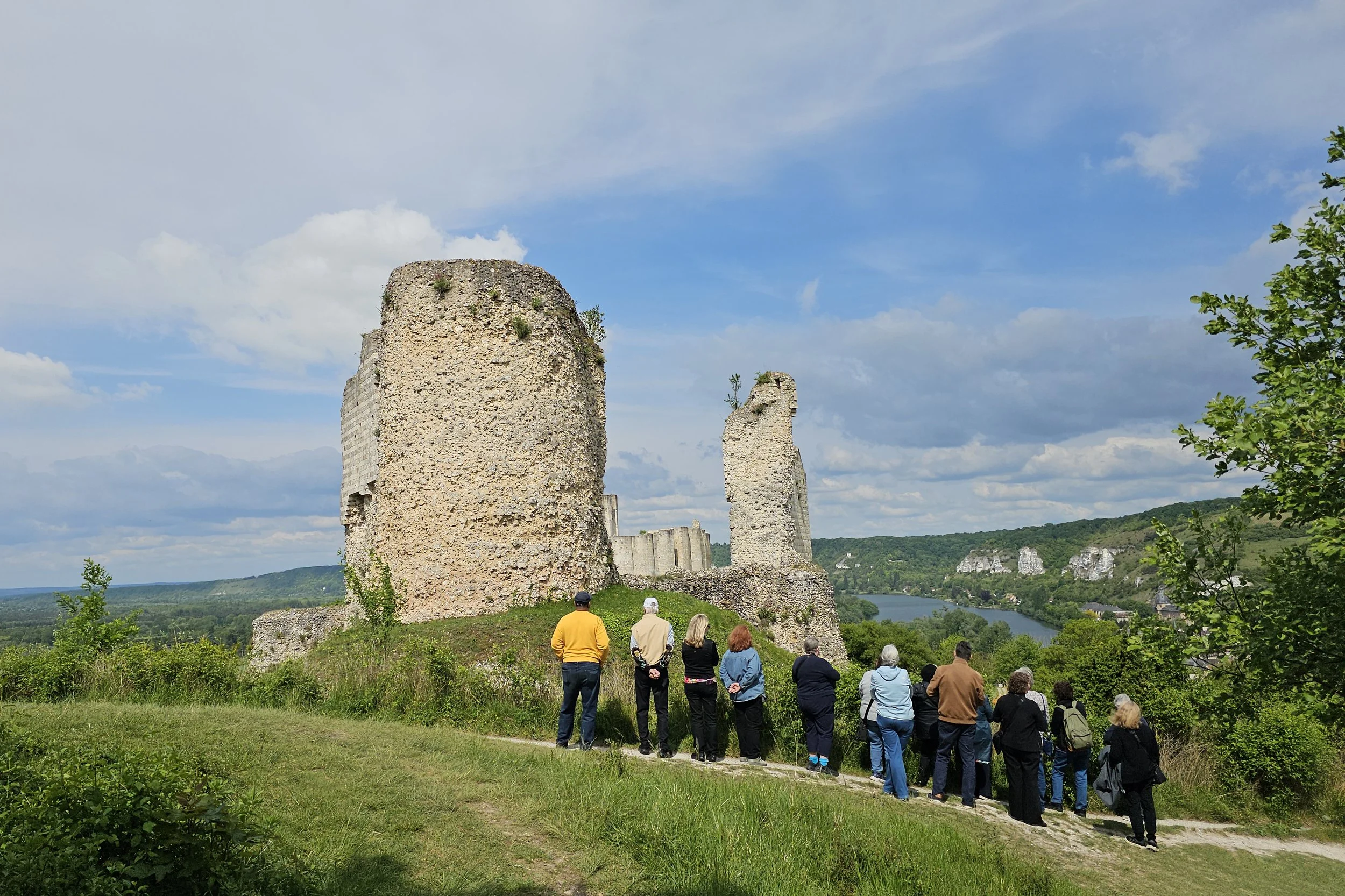
Richard the Lionheart died more than 800 years ago, yet mention his name in a room full of history lovers and you may quickly discover just how divided opinions can still be.
We defend people we have never met. We question those who criticised them. We celebrate their victories and still feel the injustice of their defeats centuries later.
Somewhere along the way, history has become personal.
But why?
What makes one person become our person, and another someone we simply read about and move on from?
When Interest Becomes Loyalty
Over the past few months, I’ve been hearing from more and more people who have a fascination with the Wars of the Roses. What has caught my attention, though, is the number who don’t simply tell me they are interested in the period. They tell me they are Richard III supporters. Some describe themselves as Ricardians, others as diehard Richard III fans, but there is a definite sense of loyalty in the way they speak about him that goes far beyond historical curiosity.
It got me thinking about something I recognise very well in myself.
As history lovers, most of us seem to have our people. Among the hundreds of kings, queens, warriors, rebels and remarkable characters we encounter, certain names somehow rise above the others. We want to know more about them. We pick up another book because their name is on the cover. We visit the places connected with their lives and feel something that perhaps we don't experience quite as strongly elsewhere. Over time, what began as curiosity can become a connection that feels surprisingly personal considering centuries separate us from the person at the centre of it.
But why them?
Why Eleanor of Aquitaine rather than Empress Matilda? Richard III rather than Henry Tudor? Joan of Arc rather than Margaret of Anjou? Why can one historical figure capture our imagination almost immediately while another, whose life may be every bit as extraordinary, simply doesn't affect us in the same way?
The more I thought about it, the more curious I became, so I started looking for answers and discovered that there is far more going on beneath our historical loyalties than I had ever imagined.
The First Story We Hear
Imagine meeting Richard III for the first time through Shakespeare. Before you have read a biography or examined the arguments that have surrounded his reputation for centuries, you meet a man who is ambitious, manipulative and murderous.
Now imagine that your introduction to Richard comes instead through Sharon Kay Penman's The Sunne in Splendour. You spend hundreds of pages inside his world, following his relationships, his loyalties and the events that eventually carry him towards Bosworth. The Richard you meet is very different.
Neither, of course, is Richard himself. Both are interpretations created by writers. Yet that first introduction may matter more than we realise.
Psychologists use the term "narrative transportation" to describe what happens when we become deeply absorbed in a story. We don't simply process the information being presented to us. We can become emotionally involved with the characters, begin to understand the world from their perspective and develop empathy for their experiences. The stronger that identification becomes, the more personally involved we may feel in what happens to them.
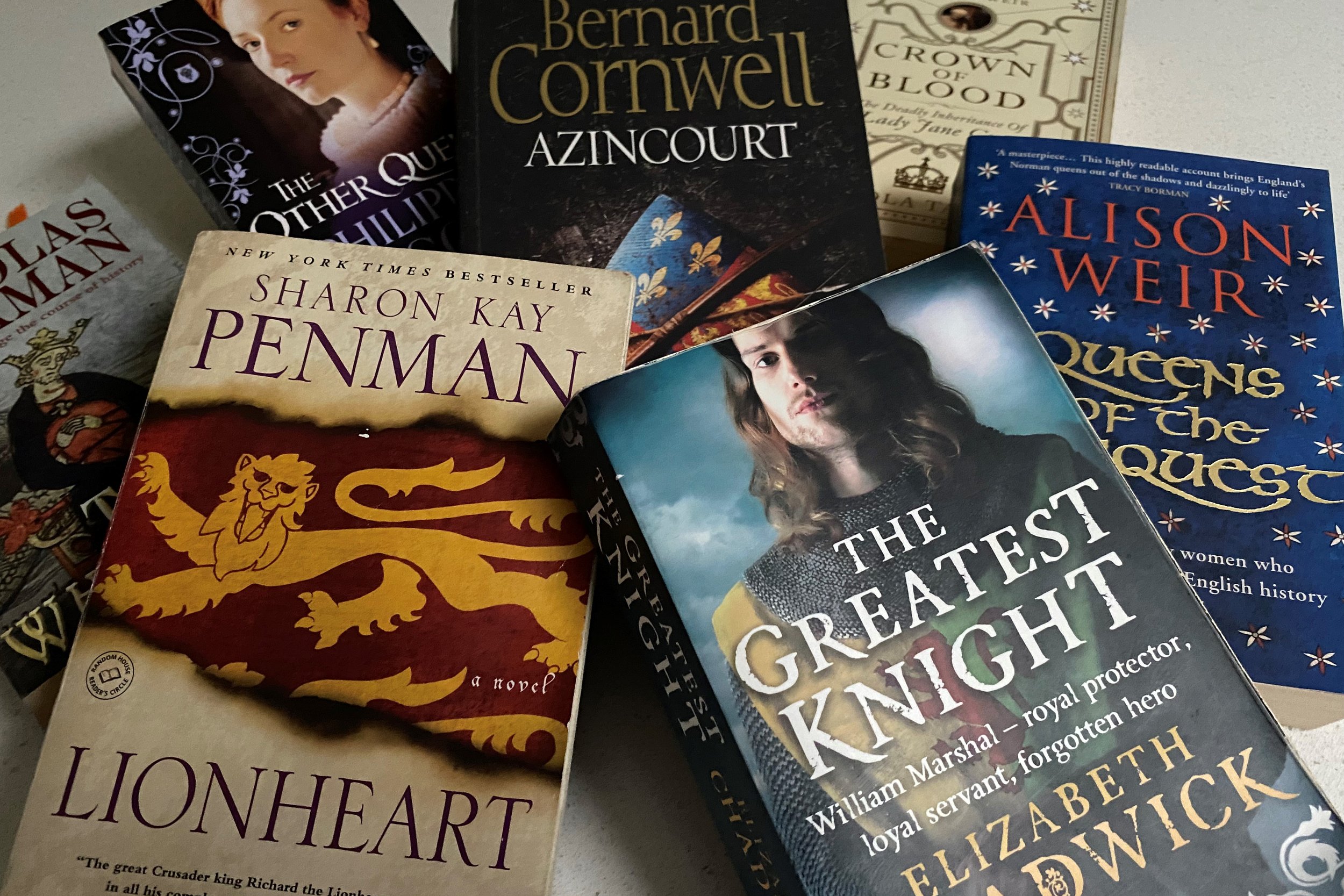
Historical fiction is particularly interesting in this respect because the people at the centre of the story actually existed, and the version of this person that we first read can be key to who we think they are.
After closing the novel, Richard III, Eleanor of Aquitaine or Joan of Arc don't disappear with it. There are then biographies to read, castles and battlefields to visit, documents to examine and centuries of argument waiting for us. A story may be where the relationship begins, but the relationship between us and our person doesn't end there. It can take you down many rabbit holes, trust me I know, I am still climbing in and out of them 25 years later.
Film and television can be just as powerful. For generations, people's first encounter with Henry II and Eleanor of Aquitaine has come through Peter O'Toole and Katharine Hepburn in The Lion in Winter. Shakespeare has shaped popular perceptions of English kings from Richard II to Henry V and Richard III for centuries. More recently, series such as The White Queen have introduced another generation to Elizabeth Woodville, Margaret Beaufort and the women of the Wars of the Roses.
And sometimes that first storyteller is much closer to home. It might have been a teacher whose enthusiasm made one particular person leap from the page, a childhood visit to a castle, a documentary watched one evening or a story passed down within a family.
Perhaps that's why our first encounter can be so important. Before we've accumulated all the competing interpretations, contradictory evidence and historical arguments that come later, somebody tells us a story. And somewhere within it, we meet a person.
The interesting question is what happens when that person stays with us.
Does Where We Stand Change What We See?
Stand in front of Caernarfon Castle and it’s difficult not to be impressed. Its enormous walls and towers speak of the ambition, resources and authority of Edward I, a king whose reign transformed medieval England in many ways.
But does that castle tell the same story to everyone who looks at it?
For someone approaching Edward through English history, he may be remembered as a formidable warrior king, a lawmaker and administrator, the man sometimes described as one of England's greatest medieval monarchs. Cross into Wales, however, and those magnificent castles take on a completely different meaning. Caernarfon, Conwy, Harlech and Beaumaris were also powerful statements of conquest and control following Edward's defeat of the independent Welsh princes.
Travel north into Scotland and the perspective shifts again. Here is the king remembered as the "Hammer of the Scots", whose attempts to impose English authority became entwined with the stories of William Wallace and Robert the Bruce.
It raises an intriguing question. How much does where we come from influence the history that feels like ours?
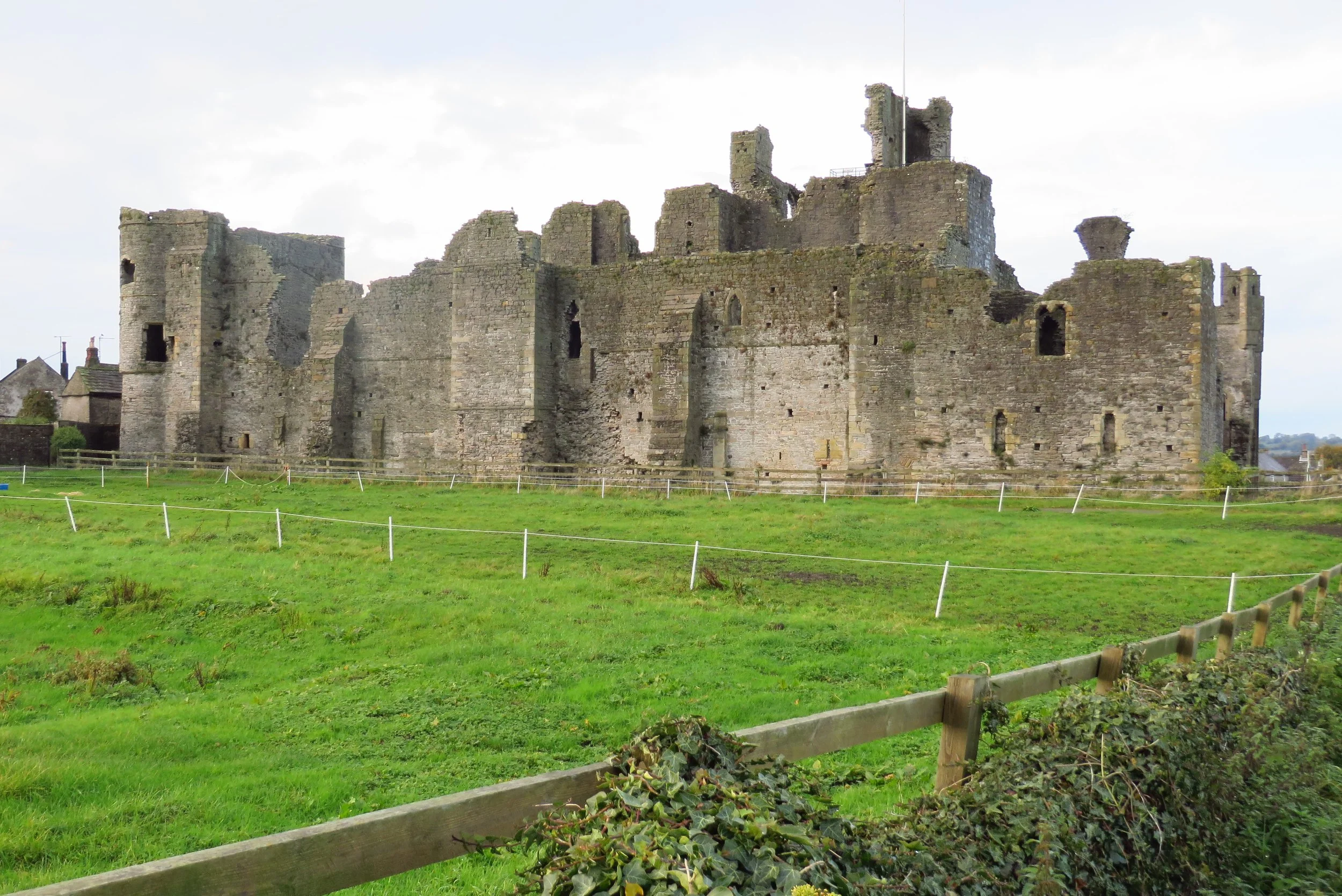
The past is not remembered only through books. It surrounds us in castles, monuments, battlefields, street names, local traditions and stories passed from one generation to the next.
Psychologists and historians who study collective memory have explored how communities develop shared understandings of the past, and how those memories can become part of a wider sense of identity and belonging.
Richard III offers another interesting example. His connection with northern England, particularly Yorkshire, remains an important part of the way he is remembered there.
Joan of Arc occupies an extraordinary place in French national memory, while an English army standing outside Orléans in 1429 would hardly have viewed her through the same lens. Even the Black Prince can look different depending on whether we remember the celebrated victor of Crécy and Poitiers or consider his campaigns through the experiences of the people whose lands those armies crossed.
None of this means that our postcode determines which side of history we choose. People living in Yorkshire are not automatically Ricardians, any more than every Scot must despise Edward I. But perhaps place gives certain histories an emotional head start. The people and events woven into the landscape around us acquire a familiarity that other histories may never have the opportunity to develop.
A castle visited throughout childhood, a battlefield just beyond your hometown or a local story you've heard since you were young can become part of the way you first understand the past. Long before you deliberately choose to study that history, you've already been living alongside it.
Which leaves me wondering whether the castle we grow up beside can sometimes shape us just as powerfully as the one we first encounter in a book.
When History Becomes Your Family History
Finding a familiar name in a family tree can also change the way we look at history.
A battle that once belonged in a history book may suddenly contain someone whose bloodline eventually leads to us. A castle becomes somewhere an ancestor may have known. A marriage between two medieval families stops being simply another piece of genealogy and becomes part of the long, complicated chain of events that ultimately resulted in our own existence.
I've seen first-hand how powerful that discovery can be. I've travelled with guests who began researching their family history and found ancestral connections reaching back to the Plantagenet world. Their interest then went beyond constructing a family tree. They wanted to know who these people were, what happened to them and where they had lived. Eventually, they wanted to stand in some of those places themselves.
There is an interesting psychological dimension to this. Researchers studying genealogy have described family-history research as a form of "identity work". In tracing the lives that came before us, we can begin to place ourselves within a much longer story, creating a sense of continuity between past and present.
Perhaps that's why a genealogical discovery can send us down such extraordinary historical rabbit holes. You find one name, which leads to a marriage, which leads to another family, a castle, a battle or a political alliance. Before long, you're reading about an event you may never previously have encountered, simply because you now have a personal reason to care about it.
Of course, discovering an ancestor doesn't mean we automatically admire them. Medieval family trees contain plenty of people we might be rather relieved never to have met. Nor does sharing someone's bloodline tell us anything about whether their cause was right or wrong.
But it does give us a thread.
And perhaps that thread is sometimes enough to turn history from something we observe at a distance into something that feels unexpectedly close. Two people can arrive at exactly the same castle, tomb or battlefield and physically see the same thing, but they don't necessarily experience the same place. One arrives knowing very little about it. Another has read about it for twenty years. Another first encountered its story through a novel. Another grew up nearby. Another has discovered an ancestor connected with it.
The place hasn't changed. What changes is the story we bring with us when we arrive.
Do We See Ourselves in Them?
Perhaps the most interesting influence on the people we choose in history isn't found in a book, a landscape or a family tree.
Perhaps it's found in us.
Think about the historical figures who fascinate you most. Is there something they have in common? Are you drawn to the rebels, the survivors, the loyal companions or the people who refused to accept the role their world had assigned them? Perhaps it's the brilliant military commander, the formidable woman, the reluctant leader or the person you believe history has misunderstood.
We may recognise qualities we admire. Courage, loyalty, independence, resilience, ambition or determination. We might be fascinated by someone who faced circumstances we can barely imagine, yet displayed a quality that feels familiar to us. At other times, perhaps we're drawn to qualities we wish we possessed ourselves.
This may help explain why the same historical figure can leave one person captivated and another completely unmoved. Eleanor of Aquitaine's determination to exercise power in a world dominated by men may resonate deeply with one reader. Someone else might be fascinated by William Marshal's reputation for loyalty and service across the reigns of several kings. Another might find themselves drawn to Margaret of Anjou, whose determination to protect her son's inheritance kept her fighting long after others might have surrendered.
Then there are the people history has judged harshly.
For some of us, the very suggestion that someone has been misunderstood is enough to make us curious. King John, Margaret Beaufort, Isabella of France or even Richard III can become more interesting because their reputations are contested. We want to look beyond the familiar labels and find out whether the villain, schemer or failure we've inherited from history is really quite that simple.
There is, however, something we need to be careful about. The qualities we recognise in these people we view through modern eyes. Eleanor didn't understand herself through twenty-first-century ideas about female independence. Medieval concepts of loyalty, duty, kingship, faith and family could be very different from our own. Sometimes the person we feel we recognise across the centuries may partly be a person we have constructed using values they themselves would not have understood in quite the same way. I believe it doesn't make the connection any less meaningful, it simply makes it worth questioning.
Because when we choose our people in history, we may be learning something about them, but maybe we're also revealing something about ourselves.
What Happens Once We’ve Chosen Our Person?
There comes a point in all of this where we probably need to ask ourselves a slightly uncomfortable question.
Once we've decided that someone is one of "our people", what happens when the history we encounter doesn't quite fit the person we've come to know?
Psychologists call one part of this confirmation bias. Put simply, we have a natural tendency to give greater weight to information that supports what we already believe, while questioning or scrutinising information that challenges it. We aren't necessarily doing it consciously, and it certainly doesn't mean that anyone with a favourite historical figure is incapable of looking objectively at evidence. It simply means that none of us approaches that evidence entirely without baggage.
Richard III and the Princes in the Tower provide an obvious example. Someone who already believes Richard has been unfairly maligned may examine evidence suggesting his involvement with enormous scepticism, while finding arguments for his innocence much more persuasive. Someone convinced of his guilt may approach exactly the same evidence from the opposite direction.
The same thing can happen with the Black Prince. For centuries, the events at Limoges in 1370 helped shape a much darker interpretation of Edward's reputation. More recent scholarship has questioned aspects of the traditional account and the scale and nature of the killings. If we already admire Edward, perhaps we're particularly receptive to that reassessment. If we've always regarded him as a brutal medieval warrior, perhaps we're more inclined to defend the older interpretation.
And it doesn't only apply when historians disagree. What happens when someone we admire simply does something we find difficult to reconcile with the person we've constructed? Do we explain it away more readily? Look more closely for context? Demand stronger evidence before accepting it? And would we extend the same generosity to a historical figure we dislike?
That last question may be the most confronting of all.
History rarely gives us people who fit comfortably into the categories of hero and villain. Henry II could be a gifted ruler and a man capable of terrible rages. Eleanor of Aquitaine could possess qualities we admire enormously while still being a woman shaped by the privileges, assumptions and power structures of the twelfth century. Margaret of Anjou's determination can look very different depending on whether we see a mother defending her son's inheritance or a political leader whose decisions helped prolong a devastating conflict.
My thoughts are that having "our people" isn't the problem at all, caring about them is often what makes us want to know more. I guess the challenge is remaining curious enough to ask questions we may not particularly want answered.
Perhaps one of the best things we can do for the people in history we admire is allow them to remain complicated.
Perhaps Choosing Is Part of the Joy
After all of this, I've come back to where I started, thinking about those people who tell me, without hesitation, that they are devoted Ricardians, and about all of us who have our own names that immediately make us want to know more.
Perhaps choosing our people is simply part of the joy of loving history. That connection might begin with a novel we couldn't put down, a story told with such enthusiasm that we went looking for more, a castle that has been part of our landscape since childhood, an unexpected name in a family tree or something we recognise in a person whose world was unimaginably different from our own. And the fact that we choose different people makes the conversations so much more interesting.
Whatever begins it, that curiosity can take us a very long way.
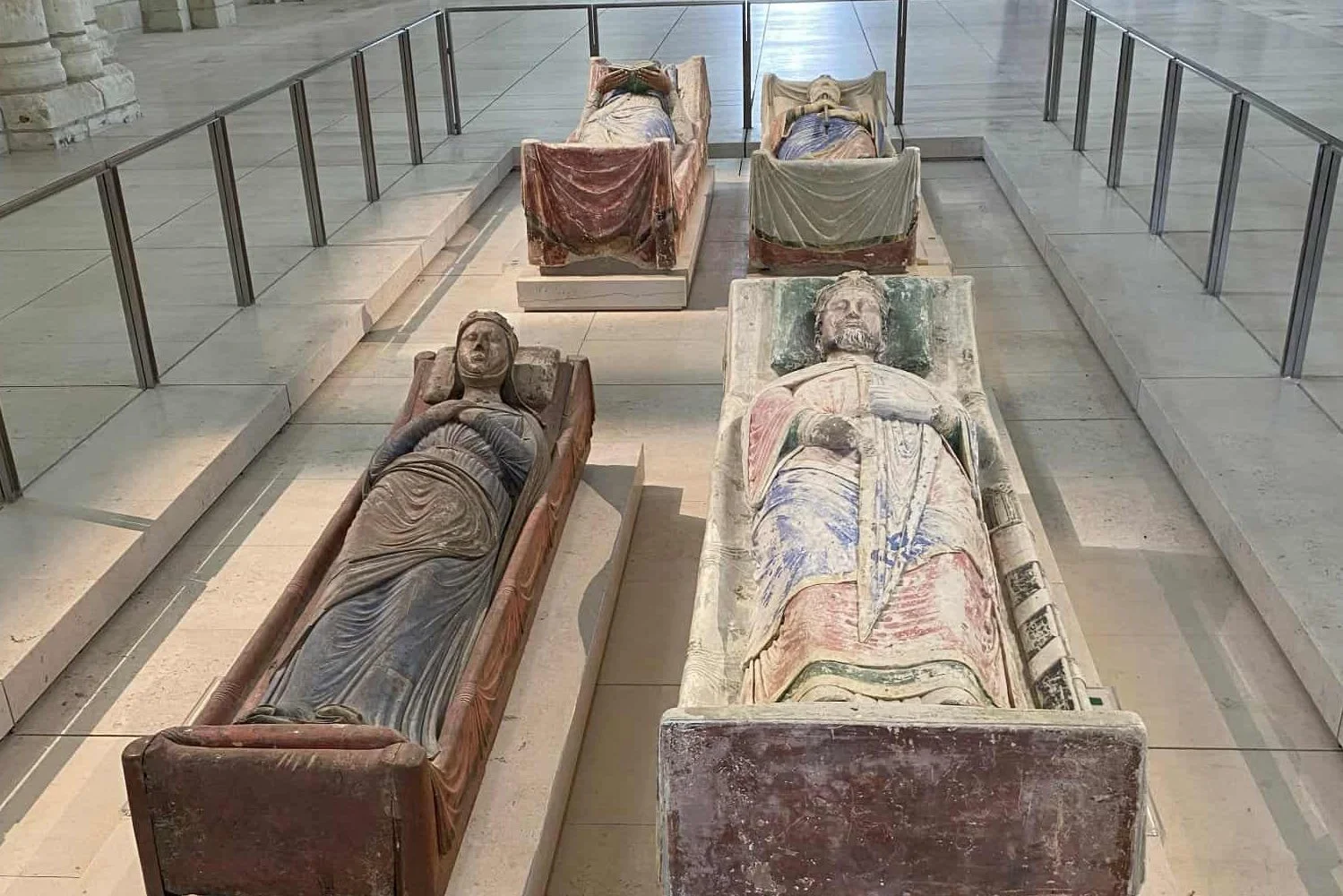
It sends us searching for another book and down research rabbit holes late at night. It takes us into archives, museums and churches. It makes us stand in front of tombs and wonder about the person lying beneath them. It carries us across countries to castles, battlefields and ruined abbeys because there is something quite extraordinary about finally standing in a place we've imagined for years.
I’m not saying our attachment to particular people is something we need to overcome. We simply need to remain curious enough to keep discovering them, including the parts of their stories that challenge what we thought we knew.
Because the people who lived through history were every bit as complicated as we are. They made extraordinary decisions and terrible ones. They loved, fought, failed, survived, betrayed, forgave and changed their minds. Perhaps allowing them all of that complexity brings us closer to understanding them than simply choosing between hero and villain ever could.
I began this article wondering why we choose sides in history.
I'm not sure there is one answer. Perhaps that's what makes the question so fascinating. The stories we hear, the places we come from, the people who came before us and something within ourselves can all play a part.
If some of the names and places in this reflection have stirred your own curiosity, I invite you to explore the historical journeys we’ll be taking through England and France.
In closing, I am left with one question for you.
Who is your person in history? And do you remember when they became yours?
Images: © Plantagenet Discoveries