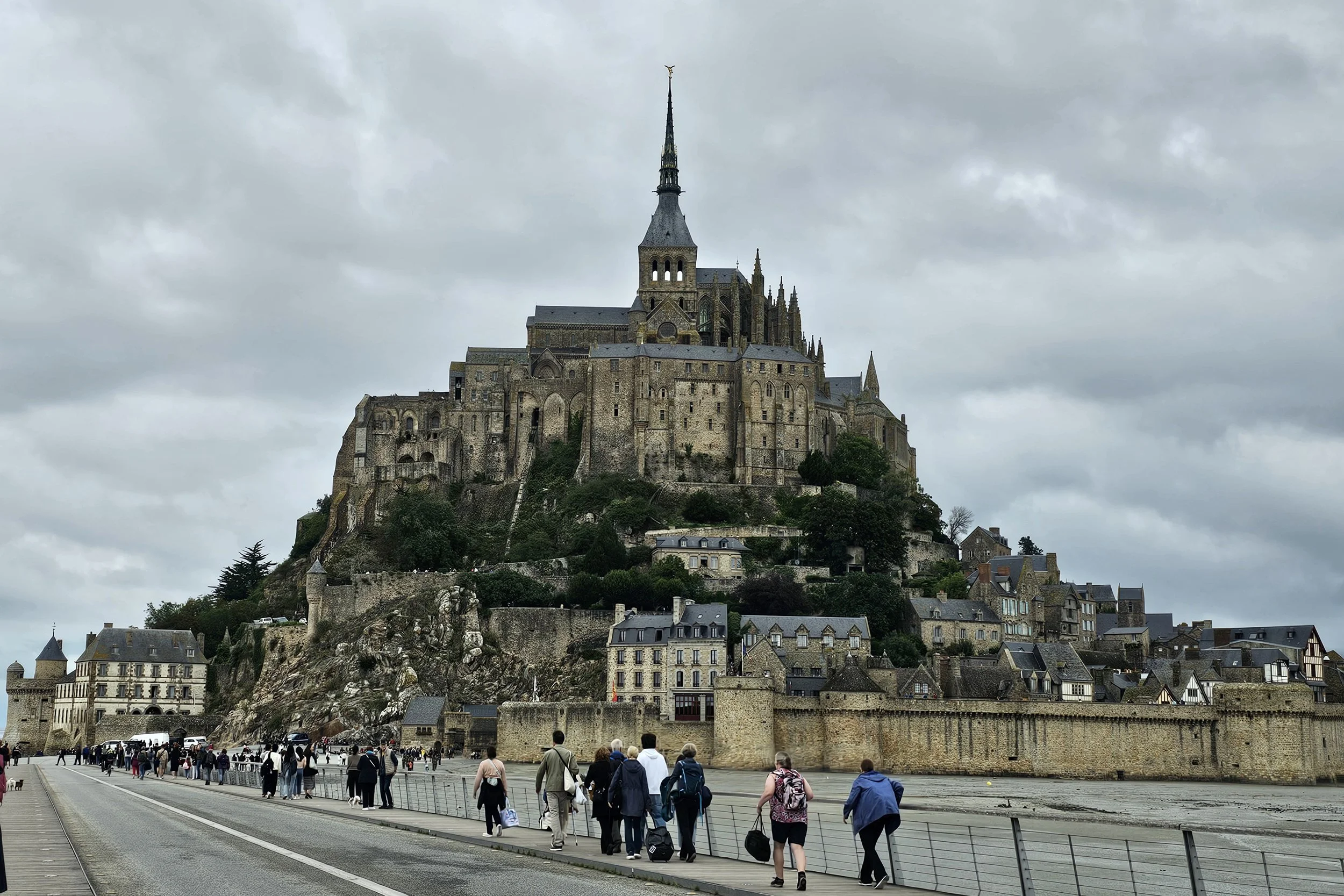
Mont Saint-Michel - Faith, Fortification and the Plantagenets
Rising from the tidal waters of Normandy, Mont Saint-Michel has drawn pilgrims, scholars, and defenders for centuries. From the chronicles of Robert of Torigni in the age of the Plantagenets to the fortress that resisted the English during the Hundred Years’ War, this remarkable island tells a story of faith, resilience, and quiet wonder.

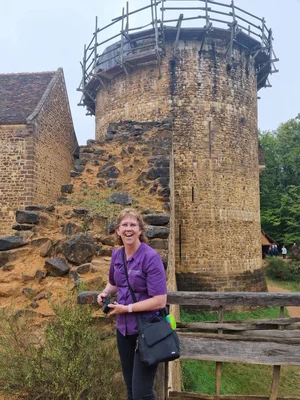
Guédelon -The Castle that Time is Still Building
What if you didn’t just visit the past… but walked right into it, as it was being built?
Tucked away in a quiet corner of rural France, Guédelon Castle is a living medieval construction site. A real 13th-century castle, rising stone by stone through the hands of modern artisans using ancient techniques.
In this blog, let’s take a journey through the sounds, smells, and stories of that incredible place, not just as observers, but as if we’ve stepped into the pages of a historical novel. The characters we meet are craftsmen and women, the setting is alive, and we’re not reading the story… we’re inside it.

The Tower of London (Part 4) - Lesser Known Identities
While we have so far explored the Tower of London as a mighty fortress, an opulent palace and a notorious prison, this is just the tip of the iceberg in the rich 1,000-year history of this amazing site. In this blog, I will reveal some of its more extraordinary roles, unveiling the hidden facets that continue to attract thousands of visitors every year.
Join me on a journey to uncover the lesser-known, yet equally intriguing identities of this iconic landmark.

The Tower of London (Part 3) - A Prison
Officially His Majesty’s Royal Palace and Fortress of the Tower of London - discover the Tower’s identity as more than just a stronghold, but rather its enduring role as a prison, at the same time being both grim, foreboding and opulent.

The Tower of London (Part 2) - A Not so Humble Dwelling
Officially His Majesty’s Royal Palace and Fortress of the Tower of London - discover the Tower’s identity as more than just a stronghold, but rather its enduring role as a humble yet resplendent abode.

The Tower of London (Part 1) - The Fortress
Officially His Majesty’s Royal Palace and Fortress of the Tower of London, discover the fascination of the Tower, a historical fortress residing on the northern banks of the River Thames. Founded in the aftermath of the Norman Conquest of 1066, this castle stands as the ultimate symbol of the English Monarchy.

Rochester Castle
Situated on the east bank of the river Medway, Rochester Castle once guarded the crossing on the major road from London to the coast.
The ruins of these impressive stone walls and the towering keep stand as a tangible reminder of its significance to the English crown. Witness to several key conflicts of the medieval period, its formidable defences and strategic location made it a vital stronghold throughout the Plantagenet Era.
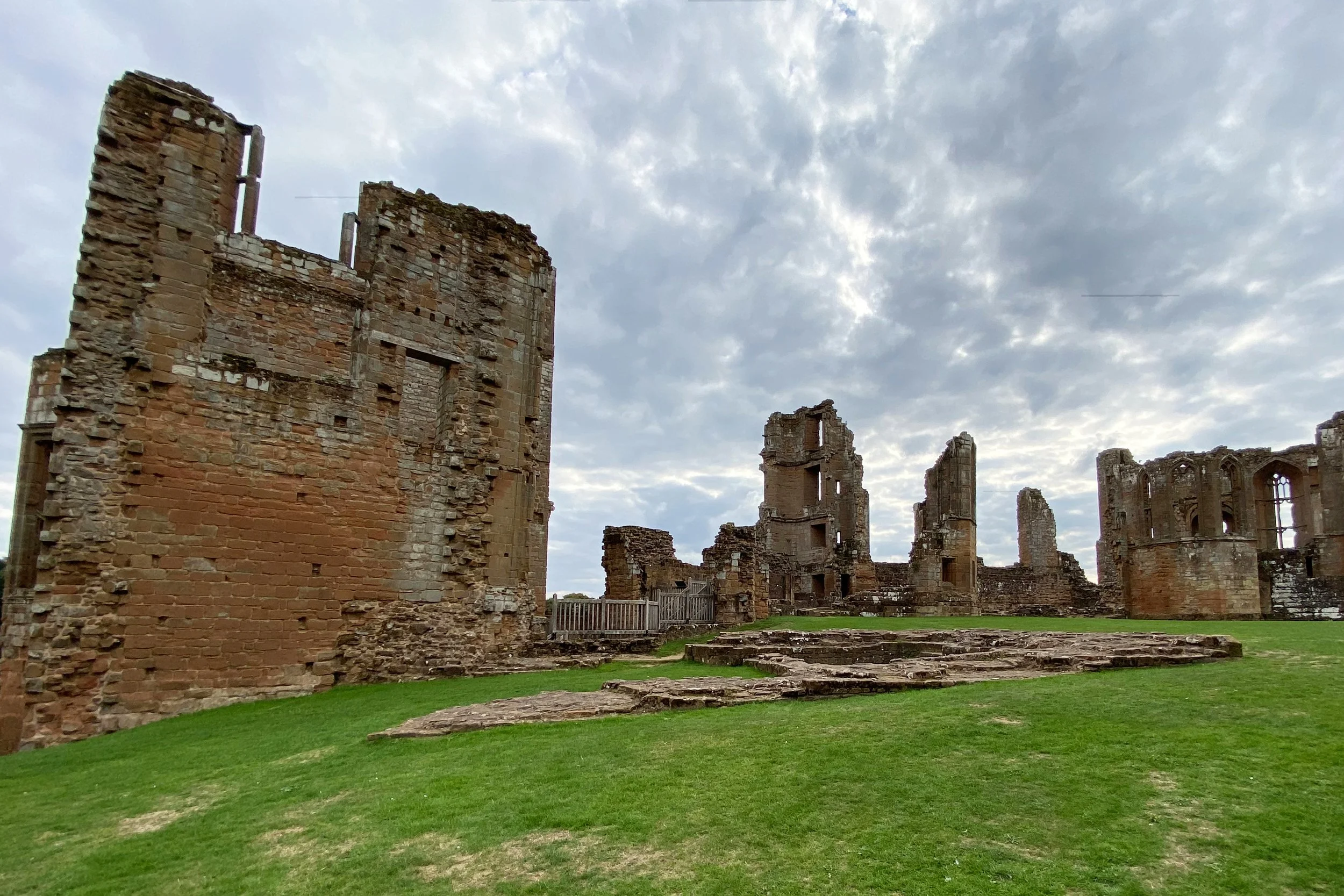
Kenilworth Castle
Kenilworth Castle is one of the greatest historical sites in the UK, a fine example of a semi-royal palace, teeming with extraordinary tales of famous and infamous historical figures like King John, Simon de Montfort, John of Gaunt and Henry V. This magnificent ruin has played an important historical role throughout the late Middle Ages and witnessed many pivotal events, including the Second Barons’ War and the Wars of the Roses.

Rocamadour (Part 6)- The Black Madonna
At the heart of the Sanctuary, under the rock, at the feet of Our Lady, every year for centuries, thousands of pilgrims have all reached their goal…to pray at the Chapel of Our Lady of Rocamadour, in which stands the revered statue of the Black Madonna.

Rocamadour (Part 5)- The Stations of the Cross
Also called the Way of the Cross, The Stations of the Cross originated in the Middle Ages as a series of pictures or sculptures portraying scenes from the Passion of the Christ. You will often find these stations in order around a church nave or on a path, but they can also be placed in cemeteries, hospitals and as is the case with Rocamadour, on mountainsides or pilgrimage sites.

Rocamadour (Part 4)- The Legend of Durandal
The legend of the sword Durandal has captured the imagination of many for centuries, given to the famed knight Roland by Charlemagne, king of the Franks, it was said to be both powerful and mystical. Embedded in the cliff face at Rocamadour in Southern France you will not be disappointed with this site of medieval pilgrimage

Rocamadour (Part 2) - The Divine Sanctuaries
Made up of a series of religious buildings built around a central courtyard (parvis) are the Divine Sanctuaries. During the 13th century, at the height of the Middle Ages and Rocamadour’s glory, there would have been 19 churches, (seven of these were restored in the 19th century), all of which were the destination of the thousands of pilgrims who would visit Rocamadour each year.

Rocamadour (Part 3)- The pilgrims, who were they, and why undertake such a holy journey?
The Middle Ages was definitely the golden age of pilgrimages, and there is no shortage of information on the numerous sacred sites that appealed to the pious and devoted. But what about the pilgrims themselves, who were they and why undertake such a holy journey?

Rocamadour (Part 1)- Pilgrimage site of Royalty
Gaze in wonder at the stunning cliffside Medieval village of Rocamadour, a pilgrimage site of Saints and Royalty for almost 900 years.

The Albigensian Crusade
There are some histories that demand more than a straightforward telling.
The Albigensian Crusade is one of them.
This was not a brief eruption of violence, but a long and deeply unsettling period in the life of southern France, one that reshaped communities, beliefs, and landscapes over decades. It is a history marked by fear and loss, but also by resilience, conviction, and the quiet endurance of ordinary people.
When we look back on this period, it is tempting to focus only on the brutality of what occurred. To reduce places like Béziers, Carcassonne, and Montségur to the moments that sealed their place in history.
But these were living places long before they became symbols. And their stories did not end when the fighting did.

Max’s Favourite Churches and Abbeys in France
Europe and the UK are famous for their churches, cathedrals and abbeys, awe-inspiring architectural wonders that encompass so much history and so many stories. During our recent scouting trip for our Plantagenets In France tour, to my delight, we visited many of them. It has been very hard to choose my favourites, finally I was able to narrow it down to my top 5. They are not necessarily the grandest, but they are the ones in which I felt a real personal connection.
Enjoy!

Canterbury Cathedral
Canterbury Cathedral, one of the oldest and most famous Christian structures in England was founded in 597 and has been the primary ecclesiastical centre of England since the early 7th century.

Legendary Courts of Love
Were the Legendary Courts of Love real?
This is a topic that has divided historians for centuries and will probably go on to divide them for many more to come

Maubergeonne Tower
Maubergeone Tower - part of the original ducal palace and seat of the former Counts of Poitou and Dukes of Aquitaine in Poitiers…. if only the walls could talk, what interesting tales they would tell.
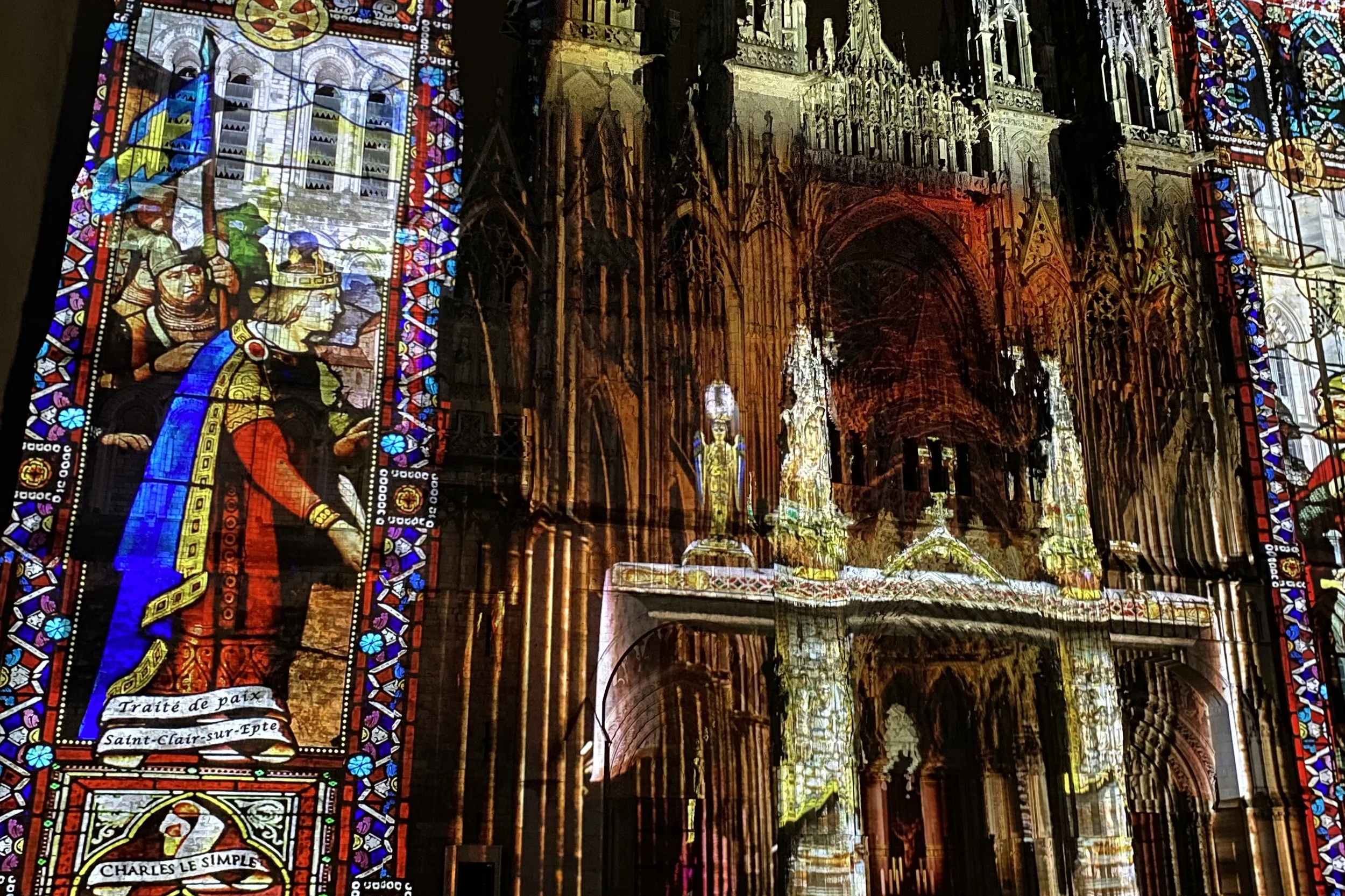
Rouen Cathedral
Rouen Cathedral holds an extraordinary place in Plantagenet history, from the heart of Richard the Lionheart to the tombs of his ancestors. Add soaring Gothic architecture and the façade immortalised by Claude Monet, and there are stories waiting around every corner.